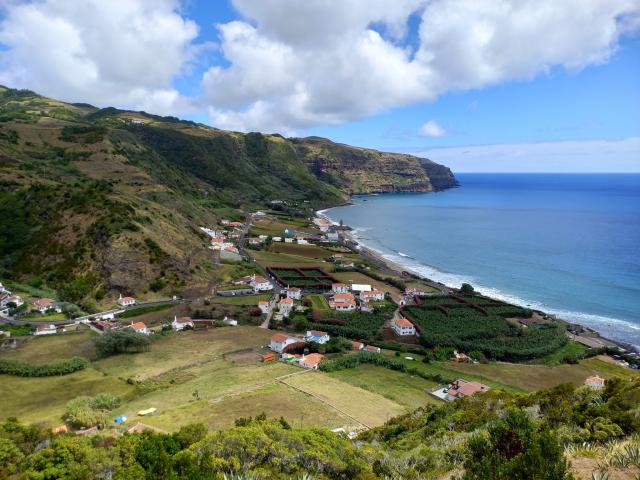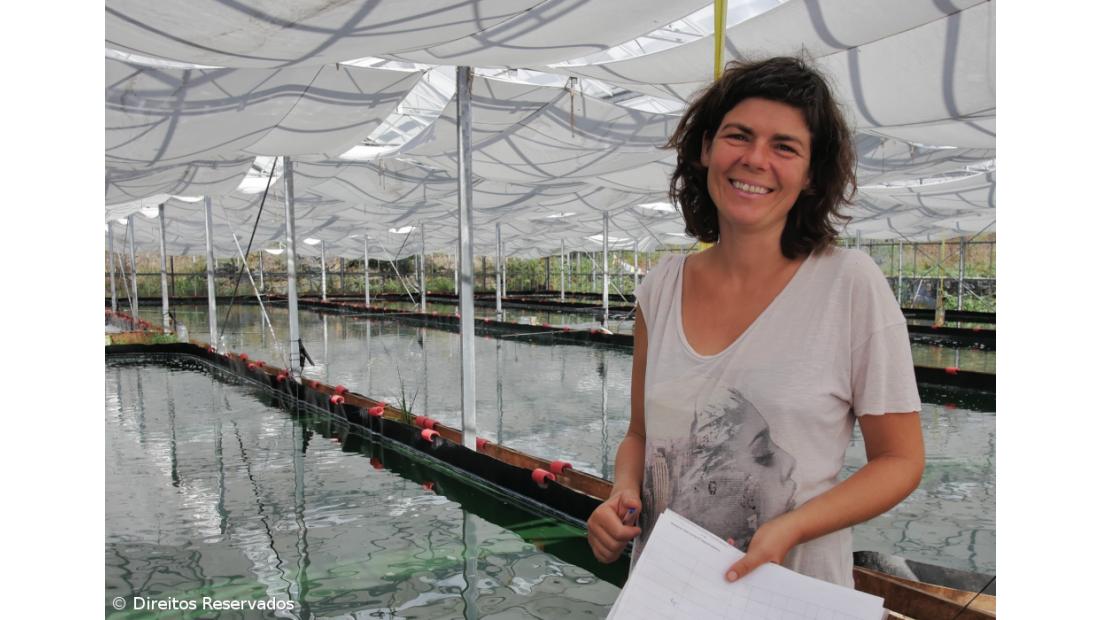
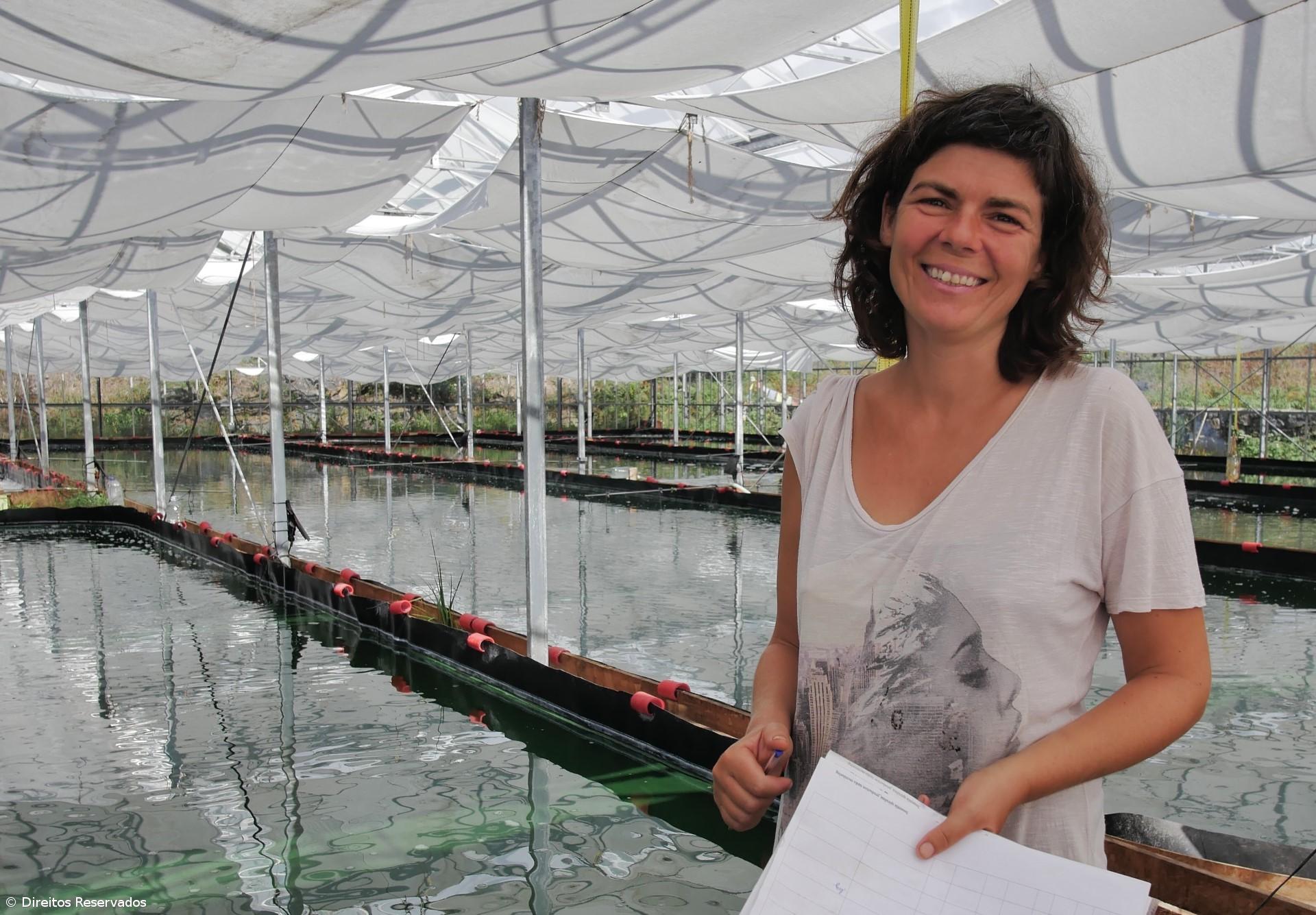
5essentia spirulina Azores has been operating since 2016 in Quinta Verde, in the parish of Luz, on the island of Graciosa. The cyanobacterium is created in an aquatic environment, using greenhouses and shallow tanks in a closed system, and is also known for being a "super food and having a very interesting nutritional value".
Sónia de Kaenel is responsible for the project. Although she has a degree in computer science and management, she eventually surrendered to the Azores and her interest in algae and human nutrition.
After several years traveling due to the demands of her profession, and after having deepened her knowledge about "malnutrition even in countries where there is no shortage of food", Sónia de Kaenel became interested in the production of spirulina, since, even if consumed in small quantities, it has several health benefits.
"I studied the subject, visited and trained with other producers. I spent time in Argentina with a family that had been working with seaweed for several generations; I saw what could be done in this area and then I decided to come to the Azores, with the idea of finding a place where I would like to live and also where I could work with seaweed and spirulina; the choice was Graciosa", summarizes the businesswoman.
In 2017, 5essentia spirulina Azores started its first production, "still a bit experimental", giving way to its commercialization in 2018. Sónia de Kaenel explains that the company goes through the entire process of dehydration, packaging and sale (from social networks and the website), also attending markets and fairs.
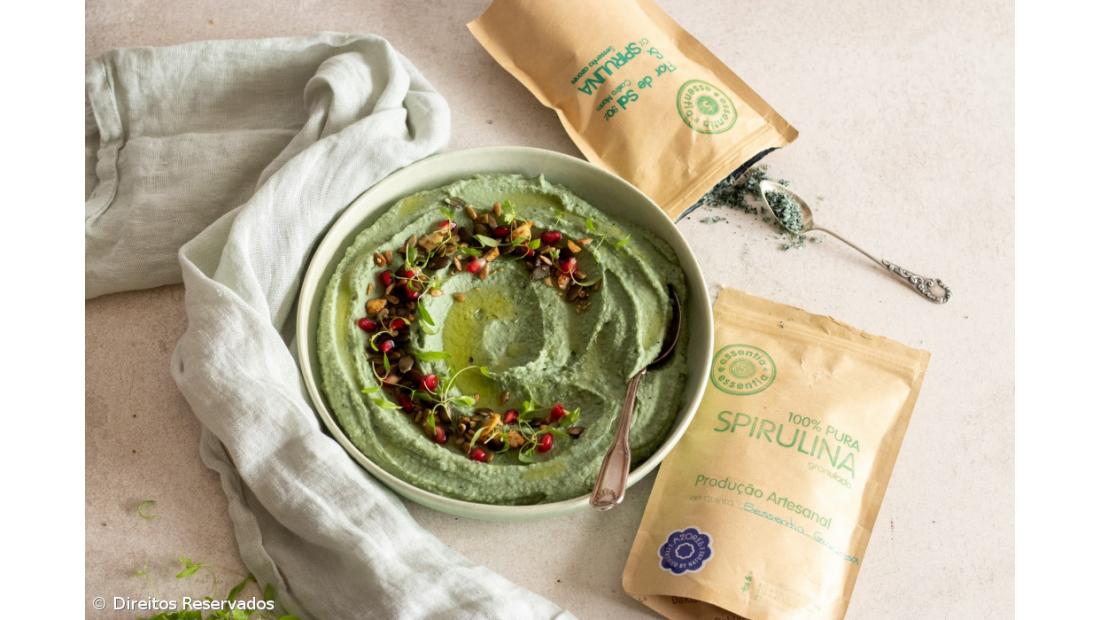
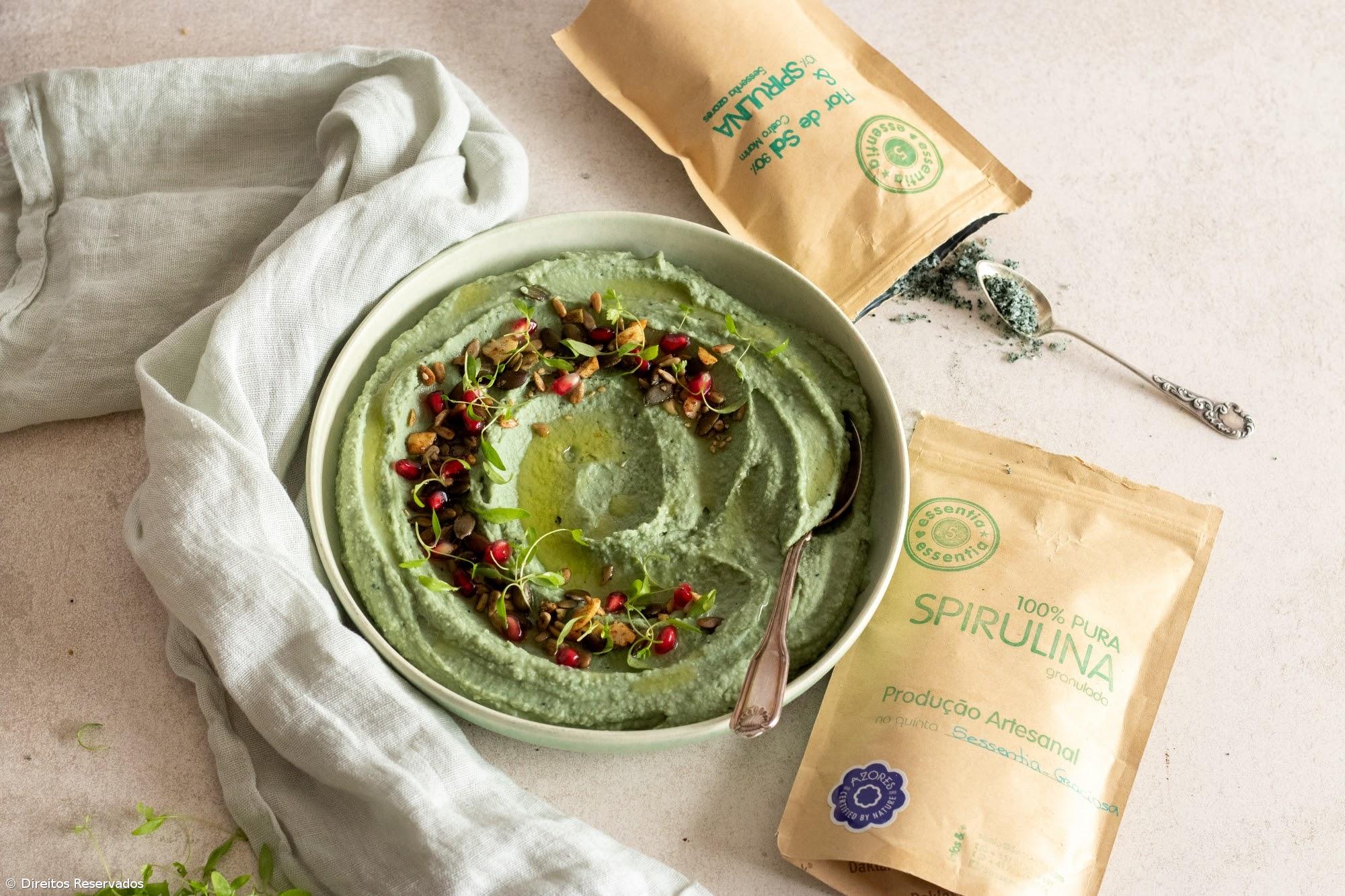
As for the product itself, spirulina takes the form of sprigs, "like small dehydrated spaghetti", and is also found in the form of "super snacks", composed of cyanobacterium in flour and Azorean fruits, such as pineapple, orange or banana, also dehydrated.
In addition to these snacks, 5essentia spirulina Azores uses a range of natural condiments with other Azorean products, namely fennel, pawpaw and safflower mixed with fleur de sel and spirulina in flour.
These products are mostly sold to mainland Portugal and countries in Europe, such as Germany, Austria and Switzerland, but also to countries such as Canada, Cape Verde and Kenya.
As for the known benefits of this cyanobacterium, Sónia de Kaenel emphasizes that, thanks to its number of vitamins and phycocyanin, spirulina contains micronutrients and all the essential amino acids that often make people who take them quickly feel differences in their body.
In this sense, according to the project manager, it is common for people with nutritional deficiencies to feel an increase in energy when they start eating this product. In addition, she continues, spirulina “helps physical recovery”.
Despite the favorable environment for spirulina production on Graciosa Island, Sónia de Kaenel says that there are also challenges in this production, namely in logistics, taking into account distances and costs of transportation.
There is also the difficulty of publicizing the project due to the "isolation" in relation to other islands, since in Graciosa the volume of tourism is not sufficient to allow, for example, visits to Quinta Verde, as happens with other spirulina production farms in areas such as Monchique or Tomar.