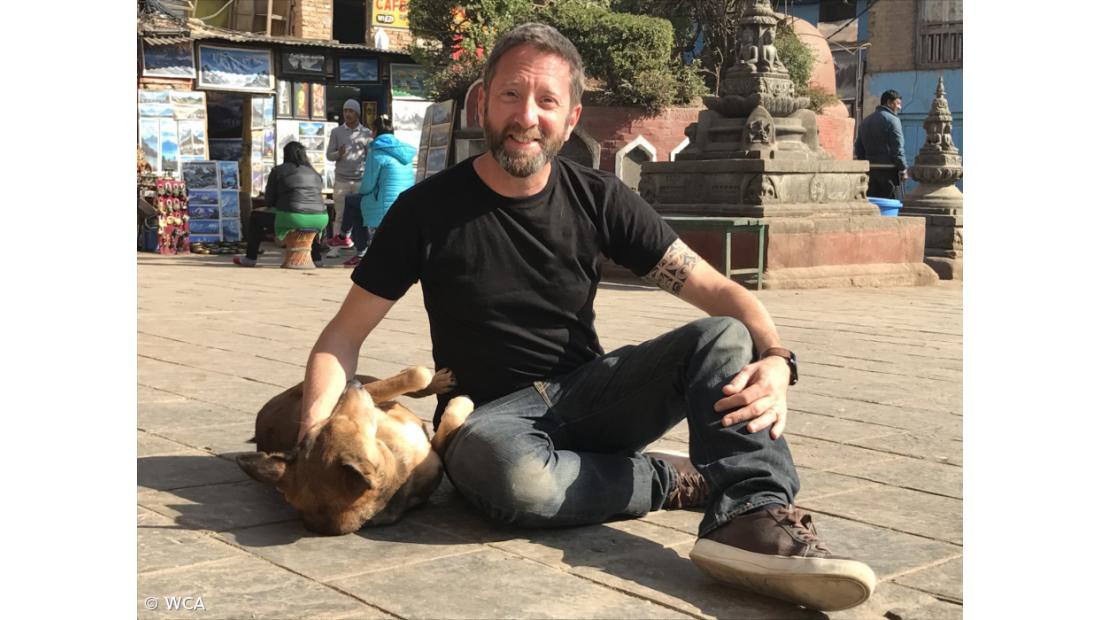
You are the CEO of the World Cetacean Alliance, which is the organization responsible for awarding the Whale Heritage Site to the Azores. What characteristics do the Azores have to be worthy of this distinction?
Whale Heritage Sites are places that go beyond mere whale watching. They are places where there is a cultural, historical or conservation link between the community and the cetaceans. They represent the connection that the community has with whales and the ocean, and the Azores are a perfect example of this.
From the time of whaling to the evolution of whale watching, the Azores demonstrate a deep connection between people and the ocean, both through its history and its culture. This is what whale heritage should reflect.
How does the WCA work with the Azores to protect cetaceans and their habitats? Each Whale Heritage Site has its own program, with a committee responsible for its implementation. This collaboration is essential to obtain this award. One of the things we hope to see is the collaboration between stakeholders who understand that part of their job is to protect and preserve the environment for whales. In this sense, the WCA hopes to see conservation efforts, sustainable practices, conservation research and improved animal welfare practices. We do not control the actions in each location, but we hope that these goals are being put into practice. Now, it is up to the community to interpret how this is implemented, making the Site unique for their own benefit.
Does this mean that the main work is done with the community?
Yes, we work with the community, who can then choose government or local council representatives, as they play a key role in decision-making. The WCA's role is to collaborate with representatives from the whole community.
How can ordinary people contribute to the cause of marine conservation and cetacean welfare?
It is individual decisions that can contribute to this conservation, from choosing to go whale watching with a responsible and approved company to getting involved in citizen science programs. Although as individuals we may have a limited capacity for action, governments and academic institutions have an important role to play in promoting conservation and research. However, if the public recognizes the importance of the Azores, policies and research will surely follow suit.
During the 4th Biennial of Whales, it became clear that there is still a lot to learn. We need to better understand these animals and the impact humanity has on them in order to take effective conservation measures. Therefore, research will continue to be fundamental.
How did your involvement in animal welfare and marine conservation activism come about?
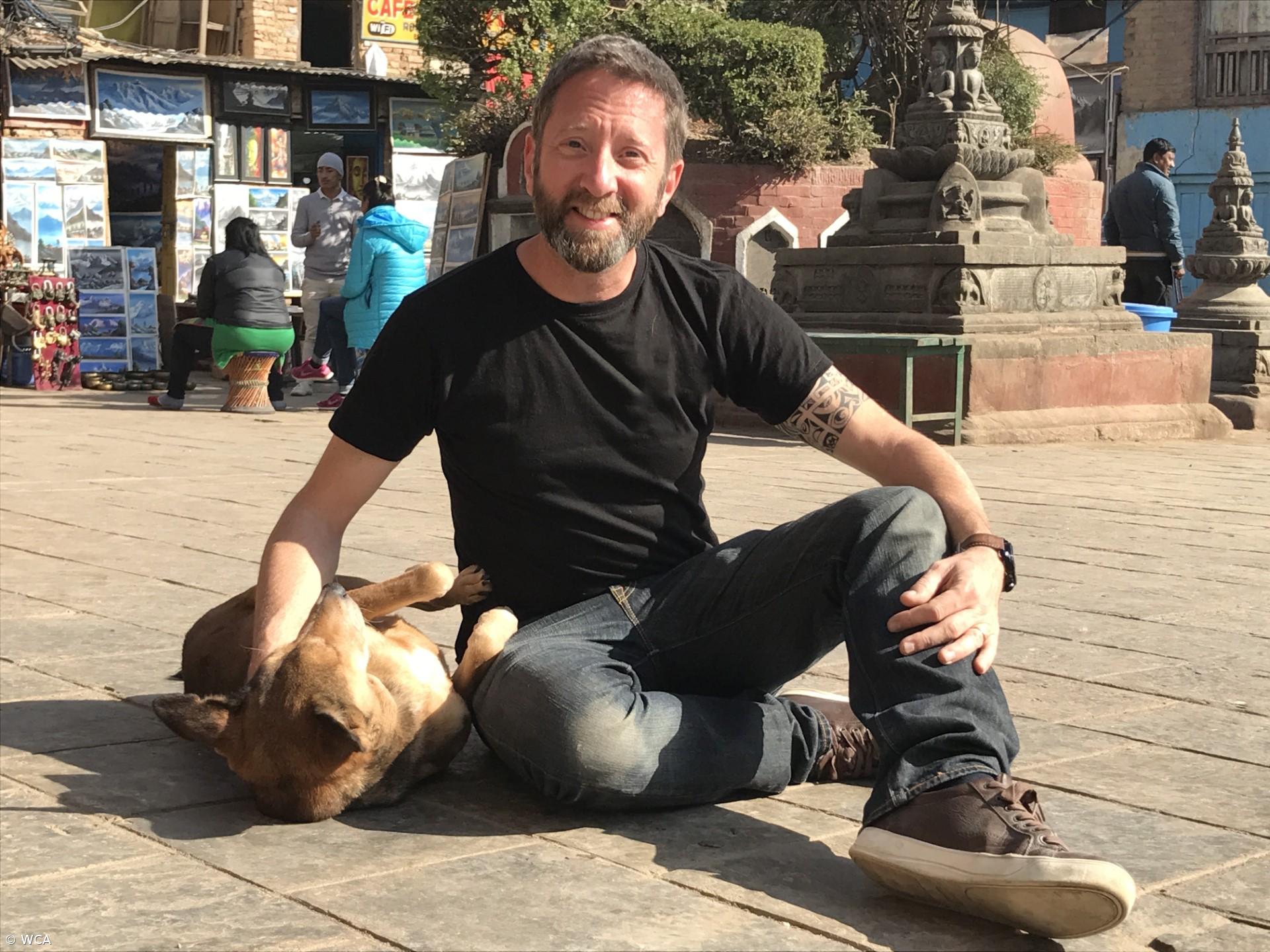
I have been involved in animal welfare for 25 years and have been with the WCA for two and a half years. I have always been passionate about animals, and, over the course of my working life, I went from working in a dog and cat shelter in North London to getting involved in issues affecting animals around the world, including conservation and environmental issues. Over time, I ended up working to protecting marine life.
And how do you see what is being done in the field of marine life conservation?
In Portugal, there has been a lot of progress in the last 10 to 15 years, although legislation is slow. However, at a global level, it is sometimes difficult to remain optimistic. I was at the UN Sea Conference in Lisbon and people kept repeating what Jacques Cousteau said 30 years ago: "Now is not the time for words, but for action". There is a lot of talk, but limited action. However, I am hopeful that innovation from industry and research can make a bigger difference than action from governments.
How do you see the future of marine conservation and cetacean welfare?
The environment is currently facing enormous pressures, but I want to believe that what I see is enough. In other words, that decisions are made and that there is enough progress for us to make a difference. Although everything is happening slowly, more and more people recognize the importance of this issue and want a safe and secure environment. Therefore, I am moderately optimistic about the future.