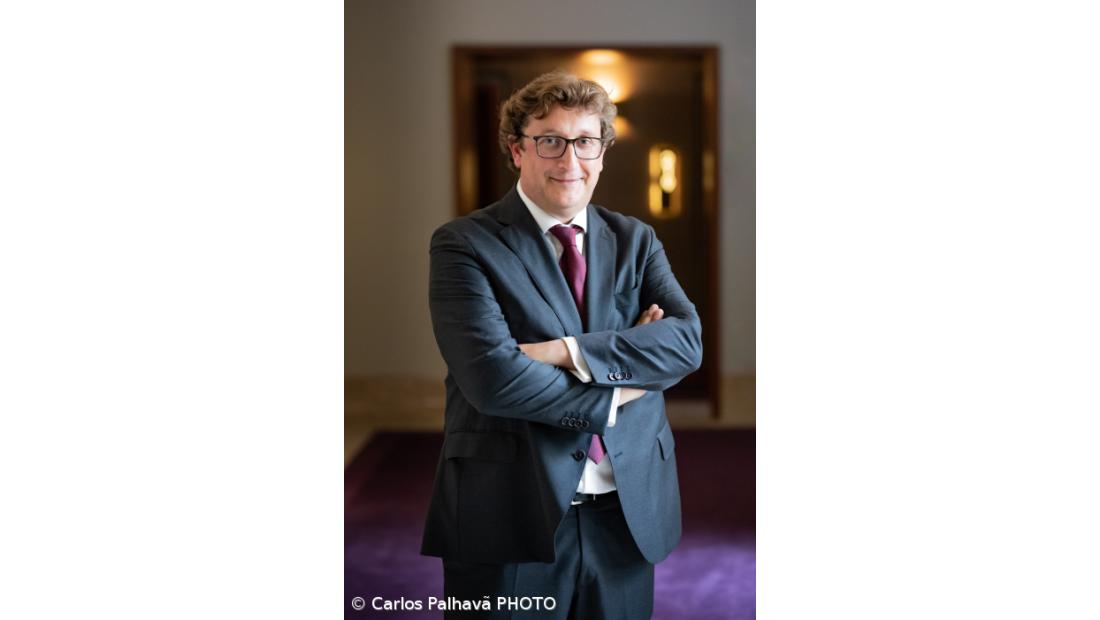
The Newtour group, of Azorean origin, acquired, together with the Angolan group Bestfly, the Austrian private aircraft management company MS aviation. What are the objectives of this acquisition?
The airline sector is closely linked to the group's business activity, as a way to complement, but also to diversify our portfolio.
This opportunity arose now with BestFly, with whom we have developed a regular inter-island operation in Cape Verde and with whom we are developing other aviation-related projects in other latitudes.
The acquisition of MS Aviation is part of this strategy and aims to develop asset management in private aviation and beyond in the European market, benefiting from BestFly's know-how in this business area, as it is the largest private player on the African continent.
Private aircraft can also be an enabler of tourism, even in a business context. Can it bring Portugal, and specifically the Azores, micro-scale tourism with enormous purchasing power?
The demand for Portugal in the last few years has increased a lot in markets where private aviation is common, such as the USA.
The increase in private aircraft movement is felt in the country's main gateways, but also, for example, at Beja airport, benefiting the Alentejo, Troia and even the Algarve in very exclusive, value-added tourism products.
The Azores have been making their way from being just a place for technical stopovers in this type of operation to being the final destination for these tourists.
These tourists generally look for customized and exclusive experiences, and private aircraft offer just that. We cannot forget that today the Azores is a technical stopover point for this type of aircraft. This opens up even more opportunities for luxury tourism.
The Newtour group owns, in the Azores, the companies Turangra and Picos de Aventura. How has the operation in the Azores been going and what new growth opportunities may arise?
After the pandemic, there were doubts about how the demand for destinations and, in particular for the Azores, would react. The truth is that we have seen a very sharp upturn in numbers and the group's companies are benefiting from that demand, although we have to deal with many challenges for which the sector was not prepared after such an intense period of downtime.
In our vision, the Azores will always provide business opportunities in terms of tourism product, whether in its creation/innovation or in its qualification. That is where we want to position ourselves and continue to invest in the Azores, always based on the characteristics that distinguish us from other tourist destinations.
In your opinion, what are the main challenges for tourism in the Azores, particularly in terms of airline connections with other countries?
The requalification of the offer, as well as the lack of manpower and training deserve a redoubled and urgent attention from all of us. In terms of airline connections, the Azores have done an excellent job in the last few years, leading several companies to start flying here. The problem at this stage is that the exponential growth and global demand in the airline industry is causing companies to look at their multi-million assets and think about where they can be more profitable, leading them to choose consolidated routes with higher yields. This is the challenge that emerging destinations, such as the Azores, will have to face in the near future. For us, the center of the world is the Azores, but in a global market the perspective may be different until we are consolidated. Despite all this, I think that the continued operations of flag carriers like United or Iberia, among others, are very encouraging signs of the work that has been done.