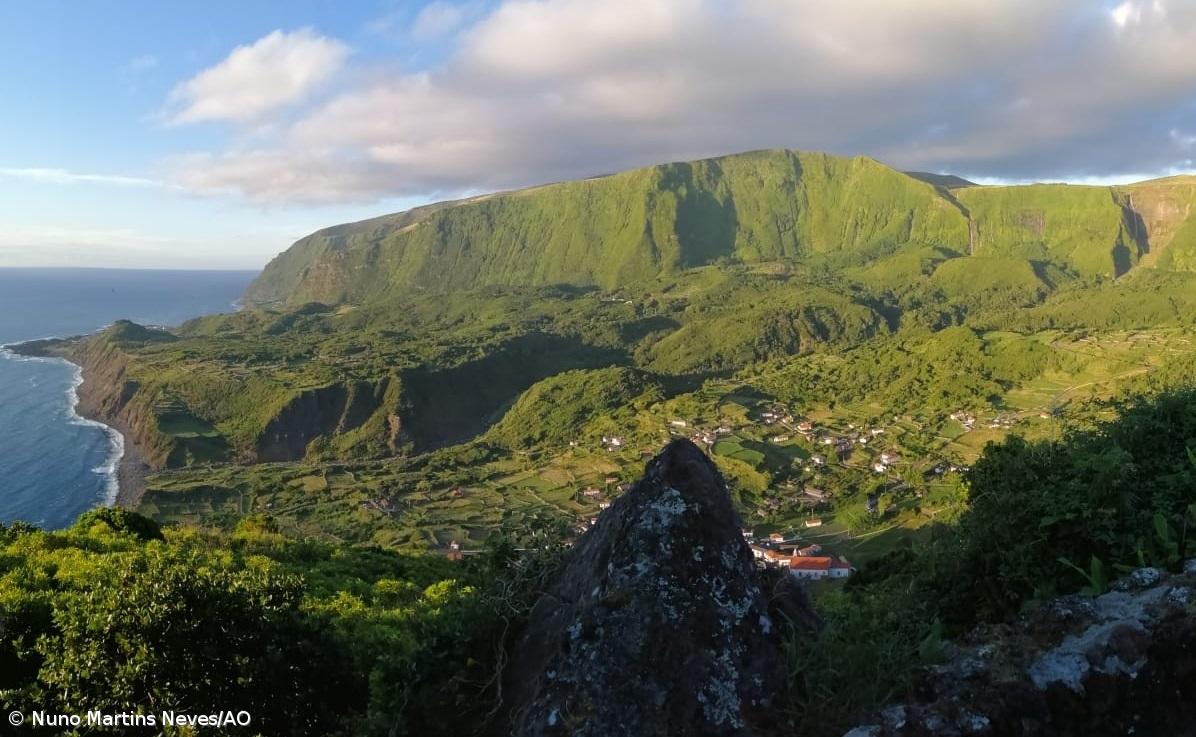
"We have not issued an invoice from October 2019 to July this year. It was difficult", admitted Ricardo Mendes, responsible for the lodging Sítio da Assumada, at the doors of Fajã Grande.
The expectation of a year even better than 2019 was over in March, when the cancellations started. Open since July 1st, the month in which they suffered a 60 percent drop in relation to the previous year, the accommodation began to recover from the second fortnight on, "due to Azorean tourism". If in past years foreigners accounted for 95 percent of the occupation, this year there were none.
"Fortunately, we have the Azoreans. Until September 22nd, we are completely full", Mendes remarked. Even after reducing their fares by 30 percent to attract regional tourism, the reality came out “better than expected”.
The same situation is reported by Conceição Nunes, head of the Inatel Hotel in Santa Cruz das Flores. Comparing the summer of 2020 with that experienced four years ago, the manager points out that the second week of July brought new hope. "In July, the occupation reached 80 percent and now in August it exceeded 90," she said. And a different occupation: without tourists from Germany, Belgium or the Netherlands, it was the Azoreans and the mainlanders who took over the bookings. "It was not usual. I think the fact that our island had few cases of Covid-19 - the only positive was that of a tourist - had an influence on the choice of destination, along with the fact that Flores is a small place, without large crowds, and with a virginal nature," Nunes explains, also highlighting the importance of the Living the Azores program, launched by the Regional Government to encourage interisland tourism.
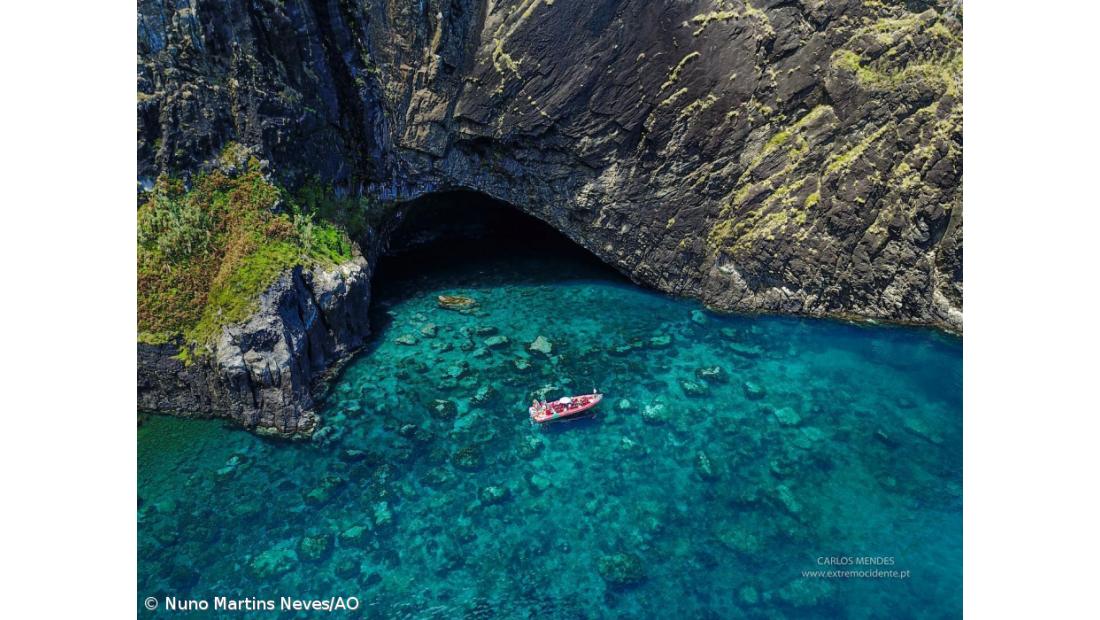
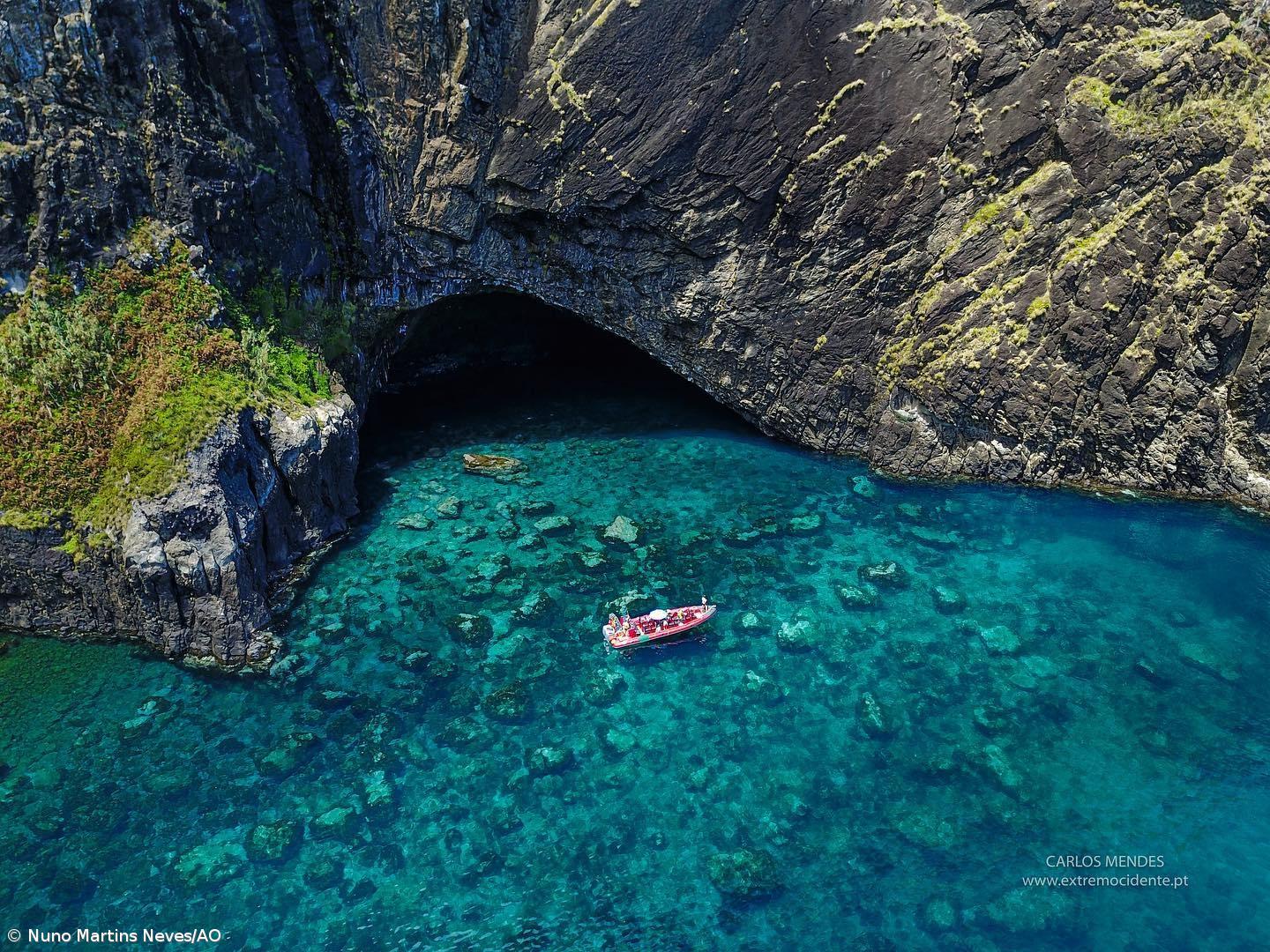
A program that, for Carlos Mendes, from the ExtremOcidente maritime-tourism company, has allowed many Azoreans to finally discover Flores. "Some were to come but there was never an opportunity. They were expecting an island a bit more like Graciosa and they found the most beautiful island in the Azores".
For the skipper, known as Toste, that month and a half was like a rescue boat for the year 2020. "At the moment, we are working at 70 per cent, compared to last year. The big difference is that there are no trekking groups and tourists are now Azoreans. They filled the great void that was announced," he says, hoping that this program encouraging interisland tourism will continue at least until 2021.
Back to the Papadiamandis terrace, Helder Silva tells us about a month and a half that ended up "reducing some damage, but that will not make up for everything". In lay-off until mid-July, the restaurant resisted and in August had an occupation of only 12 percent less than a year ago. "Now we work with 8 employees, but in 2019 we had 12", he concludes.
Flores Island hosted 18 thousand guests last year
Following the past five-year trend in the archipelago, tourism on the island of Flores has grown steadily since 2015. Last year, and according to data provided by the Regional Statistics Service of the Azores, that island of the Western Group received 17,955 guests, a number that will fall short in 2020 due to the constraints caused by the Covid-19 pandemic.
By June, and according to the same data, 1,416 guests had been registered in island’s accommodation units (from traditional hotels, to rural tourism, local accommodation, guest houses and private accommodation).