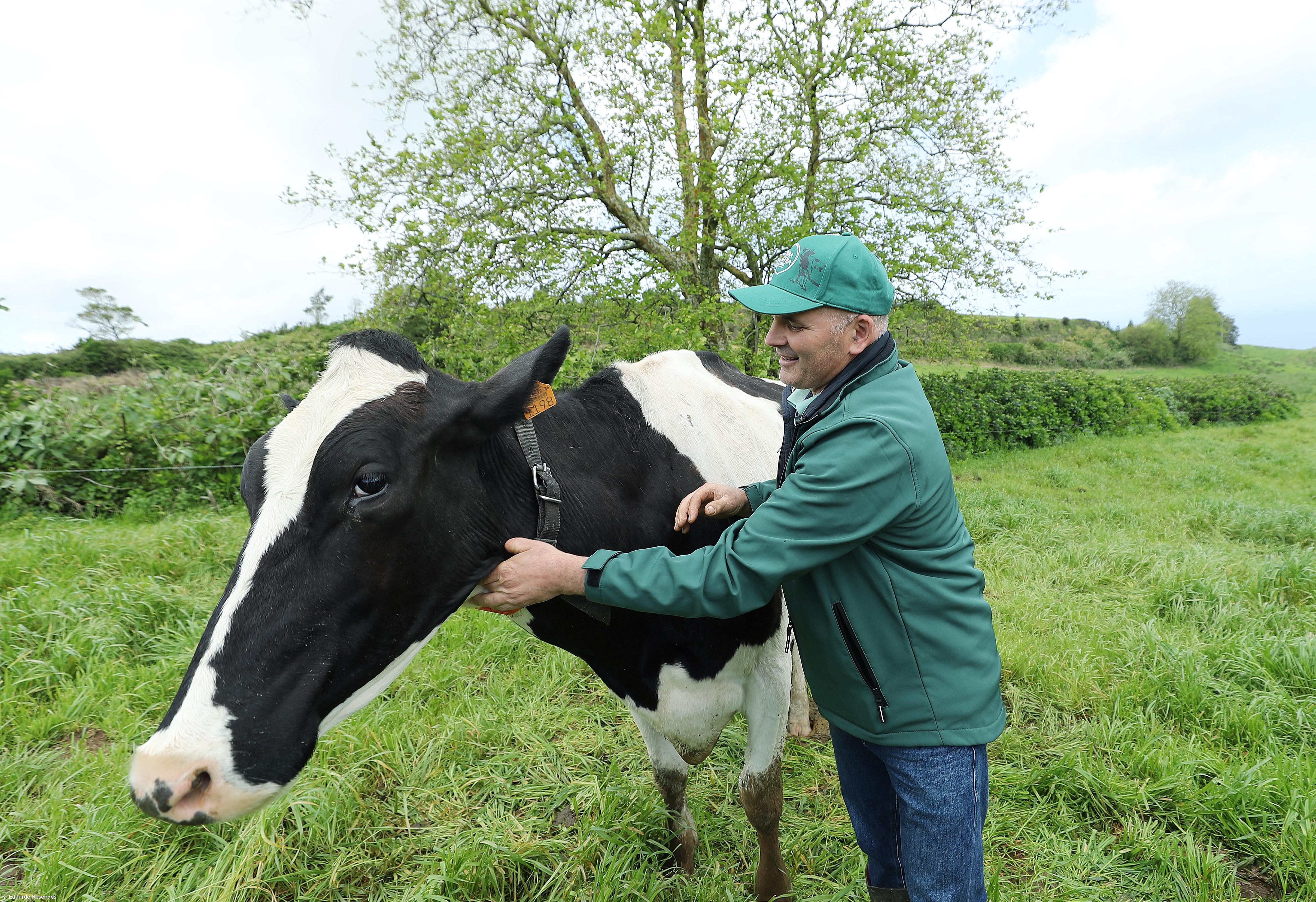
The BEL Group is running a pilot project for regenerative agriculture in the Azores. On five farms, in different locations on the island of São Miguel, they are studying ways to improve soil health in order to achieve better grazing, reduce production costs and increase the area under cultivation. The industry's goal is to have all producers in this program by 2030.
According to Rui Calouro, manager at BEL and responsible for the "Happy Cows" program, regenerative agriculture is a "method of conserving or restructuring natural ecosystems, by involving several sustainable agriculture practices, associated with holistic management, that contribute to soil vitality, because our main goal is to increase soil health".
Aware that Azorean producers are limited by the space available on the islands, Rui Calouro found that there is an "immense amount of soil that we can explore even more. And this exploration has to do with the plants' own root system, which can, with some regenerative agriculture practices, penetrate more into the soil and get more nutrients.
These are the so-called "nutrient basins", areas that are currently not accessible, but that can be unlocked with a different approach. To this end, a process of soil analysis has been initiated, which will allow the soil’s health to be improved, "specifically with the introduction of calcium, because, with milk production, we export a lot of calcium that is not replaced in the ecosystem.
But regenerative agriculture doesn't stop at rectifying the soil's nutritional deficiencies, there is also holistic grazing management. "In other words, with planned grazing, we're going to introduce biodiverse pastures that will allow other root systems that we don't have today, such as pivoting roots, which can enter the soil and create channels that make nutrients more accessible, soil that is more aired, and better water infiltration," says Rui Calouro.
Another technique they want to implement is the so-called cover crop, i.e., "we don't want the soil to ever be bare, we want the nutrients to stay in the soil, which is posible with the right plants and the right grazing gradient," avoiding the destruction of the soil ecosystem.
Aware that increasing the life of a soil is not quickly done, the BEL responsible emphasizes that it is necessary to "create the conditions for this". To support the implementation of this project, Bel has "a series of consultants, some of the best in the world, who help us with decisions.
"All this is a sustainability concept, which will allow the producer to be more resilient to climate change, while reducing production costs," he adds.
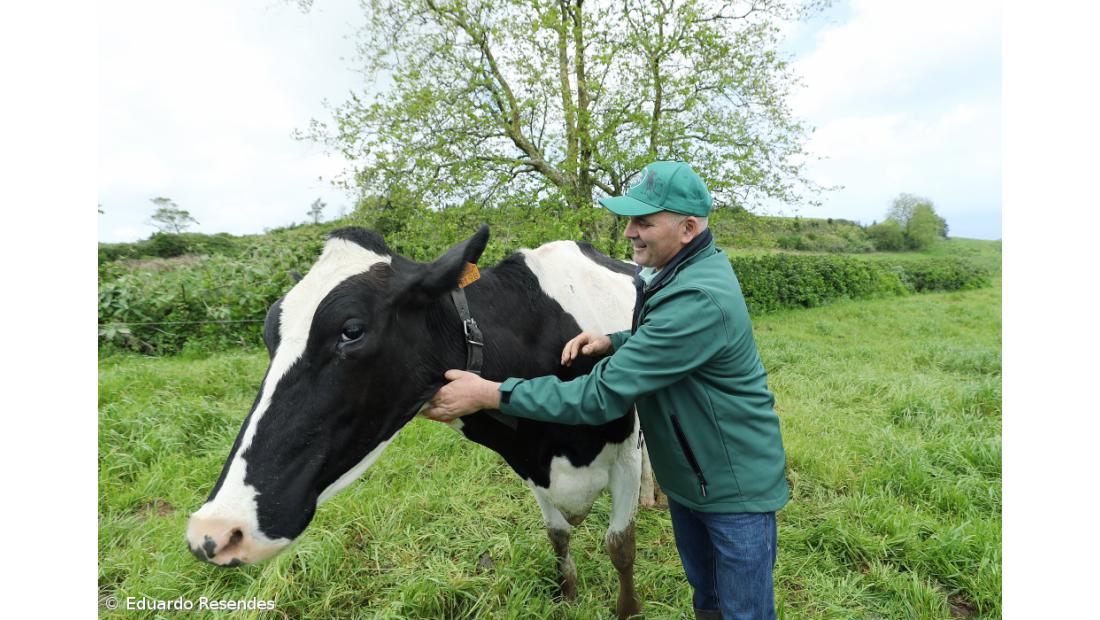
One of the producers in the program, Luís Gonzaga Pereira, from Maia, recognizes that "soil performance is the most important part in the organic milk chain" and that, by improving it, better results will be achieved.
"If I have a good pasture, a good pasture planning, a good variety of plants that make up a better feed for my animals, for sure they will produce better quality milk. And with this, I will have a sustainable system, which will enable a better life for me and my workers, making a top quality product available to the consumer."
BEL with pilot project on regenerative agriculture
Pilot project covers five farms in different locations on São Miguel island and aims to achieve better pastures, reduce production costs and increase cultivated area
Autor: Nuno Martins Neves